
Medical Waste Services
Managing medical waste programs for multi-location businesses to support safe handling, regulatory compliance, and consistent service across all locations.
Regulate Medical Waste Removal
Collection and disposal of infectious waste such as blood soaked materials, bandages, gauze, and PPE.
Sharps Disposal
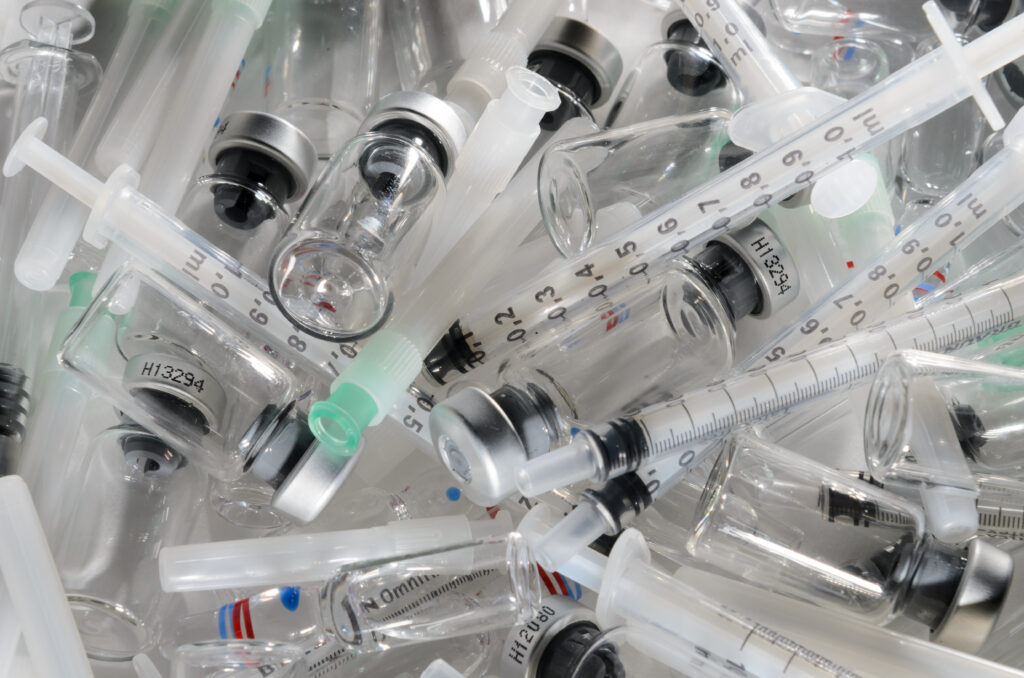
Management of sharps containers and removal of needles, blades, and other regulated items.
Hazardous Drug Disposal
Coordination of compliant disposal for hazardous and non hazardous pharmaceutical waste.
Biohazard Waste Removal
Handling and disposal of materials that require controlled processing.
Mail Back Programs
Flexible solutions for locations that require smaller scale or remote disposal options.
PPE Disposal
Collection and disposal of personal protective equipment in accordance with regulations.
A Smarter Approach to Medical Waste Management
We design programs based on the specific waste streams, volume, and regulatory requirements of each location. Our approach helps reduce risk, improve safety, and ensure proper handling of regulated materials. We monitor service activity, track compliance requirements, and provide reporting across your entire portfolio.
Getting Started with SLM's
Medical Waste Solutions
SLM Facility Solutions Nationwide will help you manage medical waste safely and consistently while maintaining compliance across all locations. Contact us to schedule a consultation.
Common Questions
What is medical waste and why is it important to dispose of it properly?
What types of medical waste require special disposal methods?
How often should medical waste be disposed of?
What are the regulatory requirements for medical waste disposal?
Regulatory requirements for medical waste disposal vary by region but generally include proper labeling, segregation, storage, transportation, and disposal. Facilities must comply with regulations set by agencies such as OSHA, the EPA, and local health departments to avoid fines and ensure safe practices.
How does SLM Facility Solutions ensure compliance with medical waste disposal regulations?
What are the benefits of using reusable sharps containers?
What are the benefits of using reusable sharps containers?
What should healthcare facilities do in case of a medical waste spill?
How can healthcare facilities reduce the amount of medical waste they generate?
What is the process for disposing of pharmaceutical waste?
How does SLM Facility Solutions support healthcare facilities in managing medical waste?
SLM Facility Solutions supports healthcare facilities by providing comprehensive medical waste services, including disposal, training, customized reporting, and 24/7 customer service. They design tailored disposal plans, ensure compliance with regulations, and offer reliable, efficient waste management solutions to minimize risks and improve safety.
Does SLM Facility Solutions Nationwide self-perform?
No, SLM Facility Solutions Nationwide does not self-perform. We dispatch vetted strategic partners to get the job done correctly, so your customers leave your locations satisfied.