
Backflow Testing and Compliance Services
Manages backflow testing and compliance programs for multi-location businesses to help maintain safe water systems and meet regulatory requirements.
Inspection and Testing
Coordination of certified testing to meet local and state requirements.
Certification and Documentation
Completion and submission of required paperwork to local authorities.
Preventative Maintenance
Ongoing service planning to keep devices functioning properly.
Repair and Replacement
Management of repairs and replacement when devices fail inspection.
Installation Services
Coordination of new device installation where required.
Compliance Tracking
Monitoring testing schedules and regulatory requirements across all locations.
Vendor Coordination
Sourcing and managing licensed service providers to ensure consistent service quality.
A Smarter Approach to Backflow Management
We coordinate testing, track requirements, and manage documentation across all locations. Our approach ensures that inspections are completed on time, records are properly filed, and any required repairs are handled quickly. Each program is aligned with local regulations and the specific needs of your facilities.
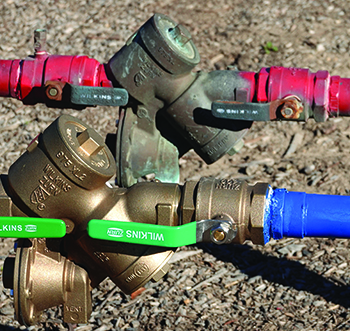
Getting Started with SLM's Backflow Management Solutions
We manage the process from scheduling through documentation, so your team does not have to track requirements or coordinate vendors. Our services include nationwide coverage, 24 hour support, invoice auditing, and program visibility across all locations. We provide structure and consistency to help reduce compliance risk.
Common Questions
Why is backflow testing important for commercial properties?
Effective waste management practices help to minimize environmental impact by reducing the amount of waste sent to landfills. Proper waste disposal reduces greenhouse gas emissions, conserves natural resources, and promotes the efficient use of materials.
How does backflow prevention protect public health?
Several methods stand out for their efficiency in sustainable waste management:
Recycling and Composting: These practices convert waste into reusable materials.
Waste to Energy: This involves converting non-recyclable waste into useful energy.
Source Reduction: Encouraging the reduction of waste at the source by designing products to be less resource-intensive.
Circular Economy Principles: Utilizing a closed-loop system where materials and products are reused or repurposed.
What are the common types of backflow prevention devices used in commercial settings?
A waste audit helps businesses understand the composition and quantity of their waste, identify opportunities for waste reduction, improve recycling rates, and potentially reduce disposal costs.
What are the signs that a backflow prevention device may need servicing?
Businesses can ensure compliance by staying informed about local regulations, conducting regular waste audits, and partnering with waste management companies that offer compliance support and reporting services.
How can businesses prepare for a backflow testing inspection?
Businesses can measure success by tracking key performance indicators (KPIs) such as waste diversion rates, recycling rates, cost savings, and reductions in greenhouse gas emissions.
What are the potential consequences of failing to comply with backflow testing regulations?
How do backflow testing and maintenance contribute to sustainability goals?
What should businesses look for in a backflow testing service provider?
How does SLM Facility Solutions ensure compliance with backflow testing regulations?
SLM Facility Solutions ensures compliance with backflow testing regulations by employing certified, licensed, and insured technicians to conduct thorough inspections and testing. They handle all necessary documentation and reporting, maintain a tracking system for timely reminders, and provide comprehensive maintenance and repair services to address any issues promptly.
What advanced technologies are used in backflow testing and compliance?
Advanced technologies used in backflow testing and compliance include specialized testing equipment for accurate pressure and flow measurements, digital tracking systems for scheduling and documentation, and remote monitoring solutions to detect potential issues in real-time. These technologies enhance the efficiency and reliability of backflow prevention efforts.